
History & Heritage
The Story of a Congregation
The Story of the Congregation
For more than a century, Westminster has cultivated a rich array of ministries. Women of Westminster, founded in 1913, played a central role in congregational life. The Mariners Club welcomed couples; Vanguard Fellowship supported seniors; and thriving youth and scouting programs—including Boy Scout Troop 4, the region’s longest continuously active troop—shaped generations of young people. Community dinners, festivals, and adult education groups fostered fellowship and belonging.
1906
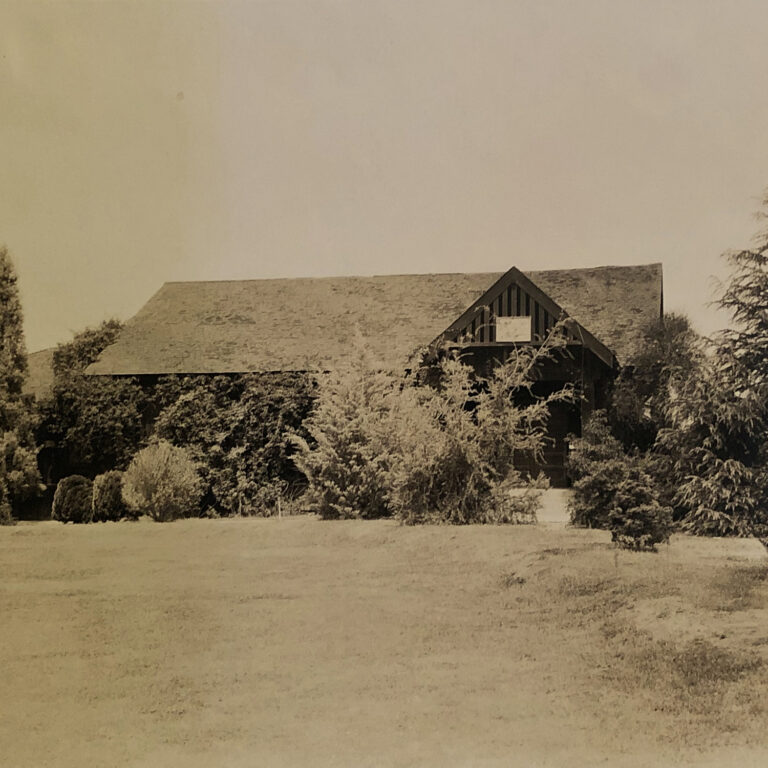
Founded in 1906 – A New Community of Faith
1926
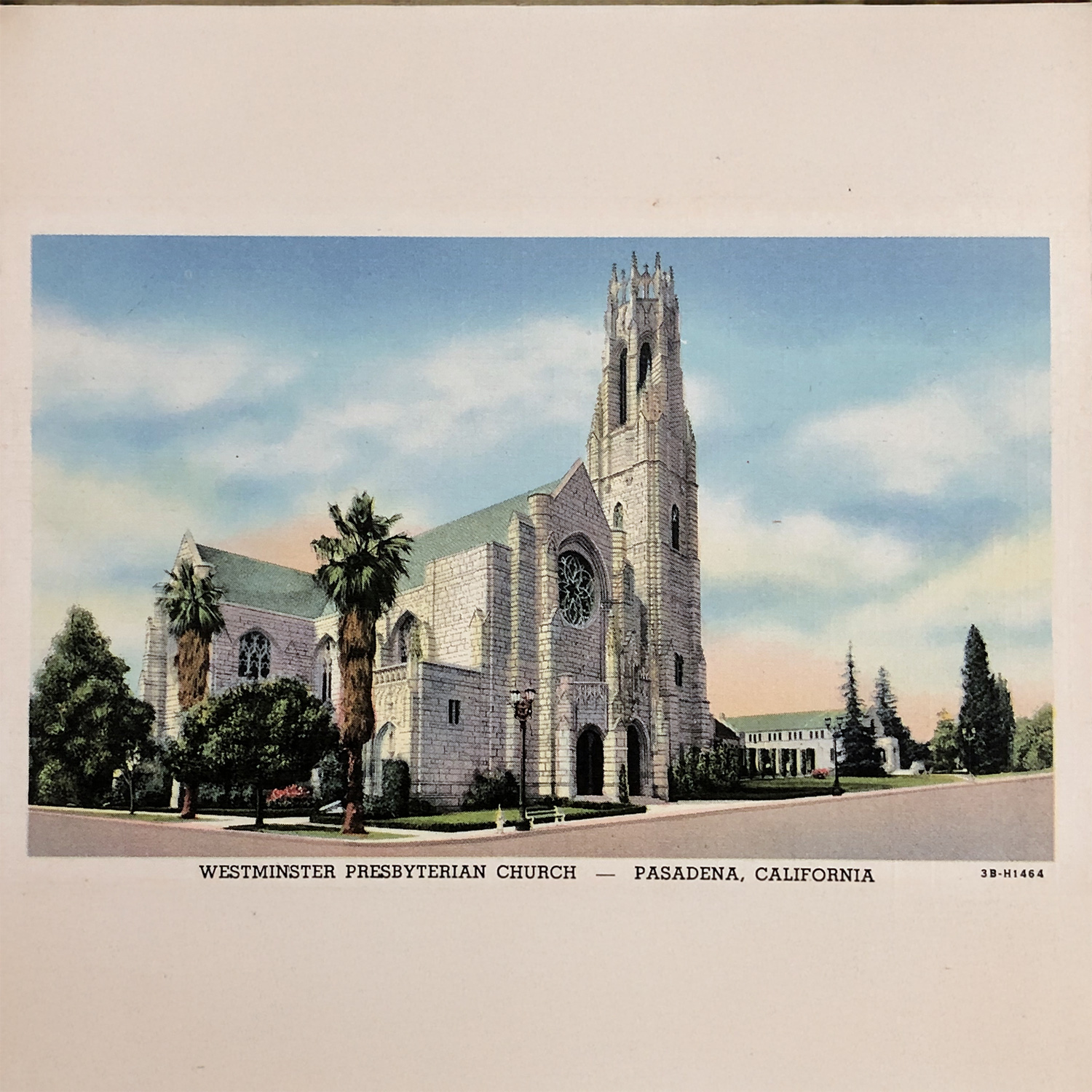
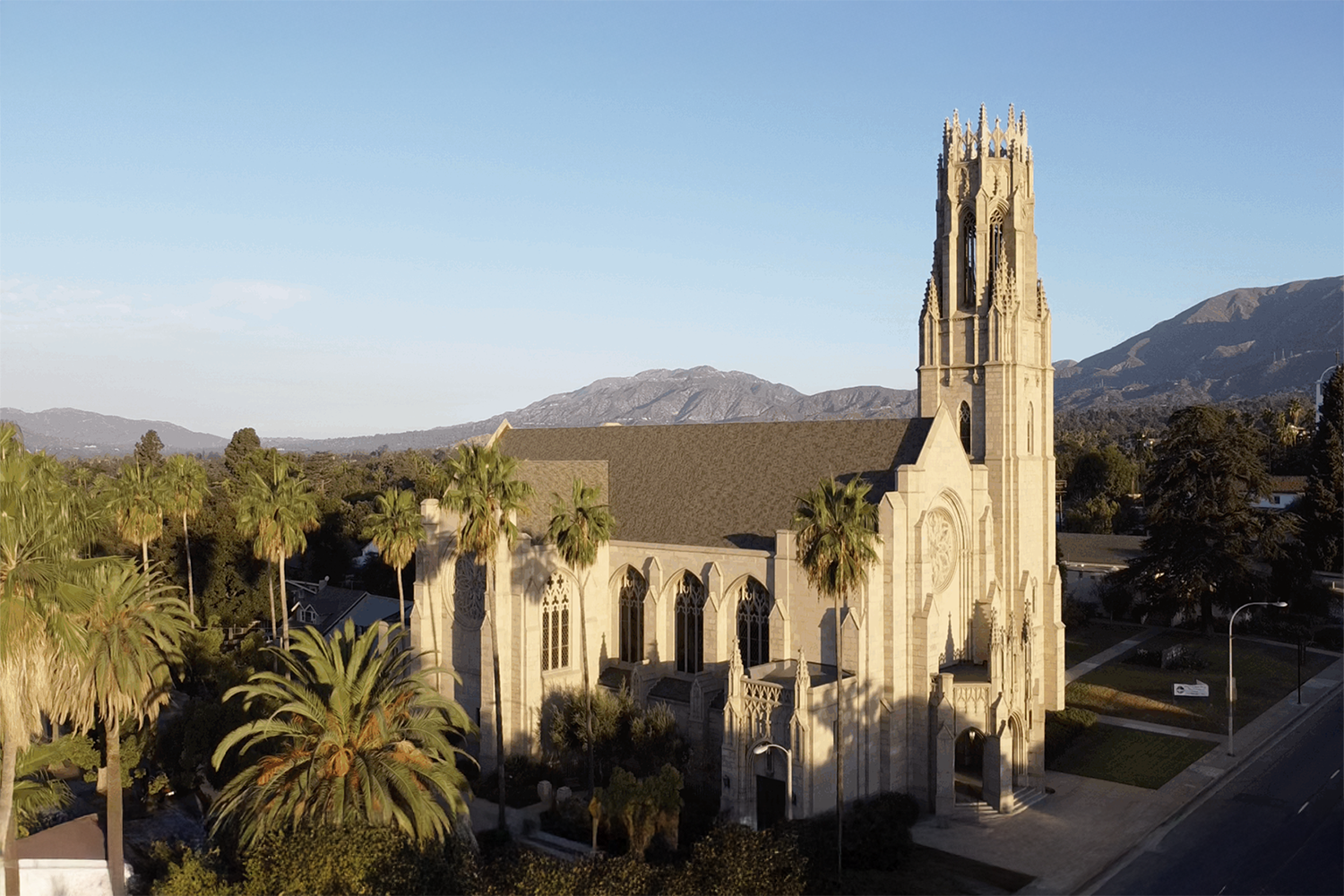
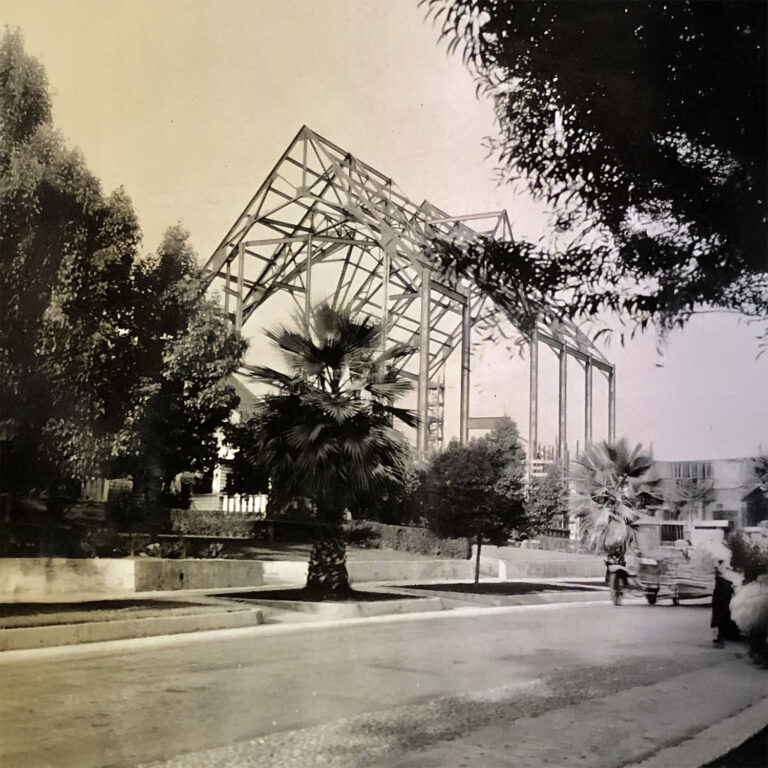
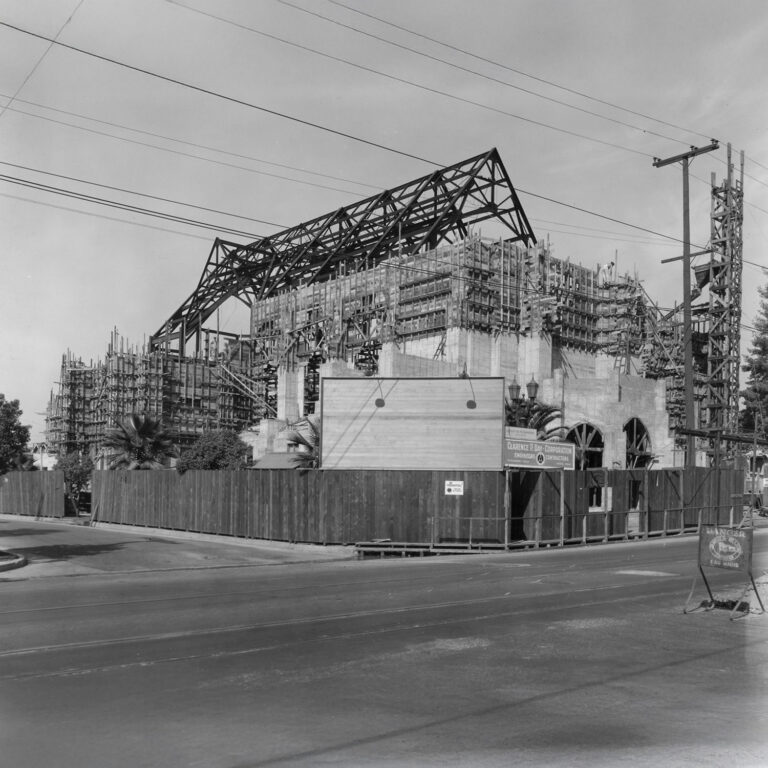
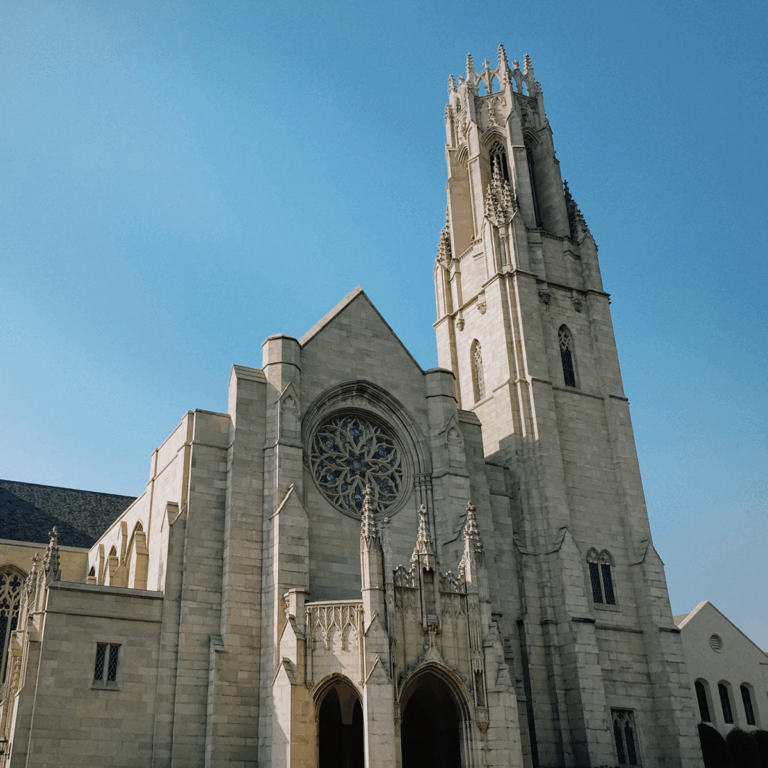
By the mid-1920s, the young congregation had outgrown their original bungalow chapel and envisioned a new home where generations could gather. In 1926, plans began for a new sanctuary — and in 1928, the soaring French Gothic building at 1757 N. Lake Avenue was completed. Designed by renowned architects Marston, Van Pelt & Maybury, with consulting architect Ralph Adams Cram, the sanctuary’s rose windows, vaulted ceilings, and stone façade were built as a lasting expression of faith, beauty, and welcome. For nearly a century, our sacred space has stood as a beacon at the crossroads of Pasadena and Altadena.
1950's
The postwar years brought tremendous vitality to Westminster. The 1950s marked a time of growth, connection, and community life, as the congregation flourished with ministries for all ages. Worship attendance filled the sanctuary; choirs and Sunday schools thrived; and new groups like the Women of Westminster, the Mariners Fellowship, and Vanguard Seniors nurtured fellowship and service. The 1950s were an era of optimism and expansion, as Westminster became a spiritual and social hub for Pasadena families seeking faith, belonging, and purpose.
1960's
The 1960s brought social transformation — and Westminster was not untouched. When Dr. Martin Luther King, Jr. spoke in Pasadena, some protested while others rejoiced — and Westminster’s leadership chose courage over comfort, standing for justice and inclusion. The church faced the realities of redlining and the changing demographics of the surrounding neighborhoods, wrestling with what it meant to live faithfully in a city divided by race and class. Through prayer, dialogue, and discernment, Westminster began to claim our call as a congregation committed to reconciliation, equity, and the gospel of peace.
1990's
2000's
Through the early 2000s, Westminster became known for steady leadership and faithful presence. Amid national and cultural shifts, the congregation remained anchored by values of worship, community care, and hospitality. The church’s stability during this era provided a deep sense of continuity — a reminder that while the world changes, God’s steadfast love endures from generation to generation.
2020's
Campus History & Architecture
In 1909, the entire chapel structure was moved—by mule teams—to the corner of Lake Avenue and Woodbury Road. The building soon garnered national attention, earning first place in Ladies’ Home Journal for “Outstanding Bungalow Church Design.”
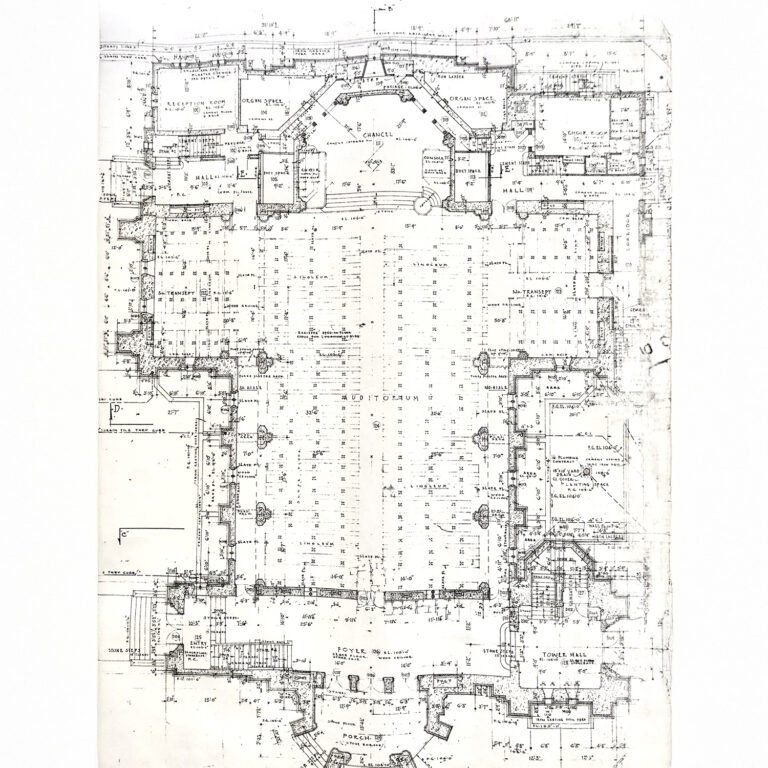
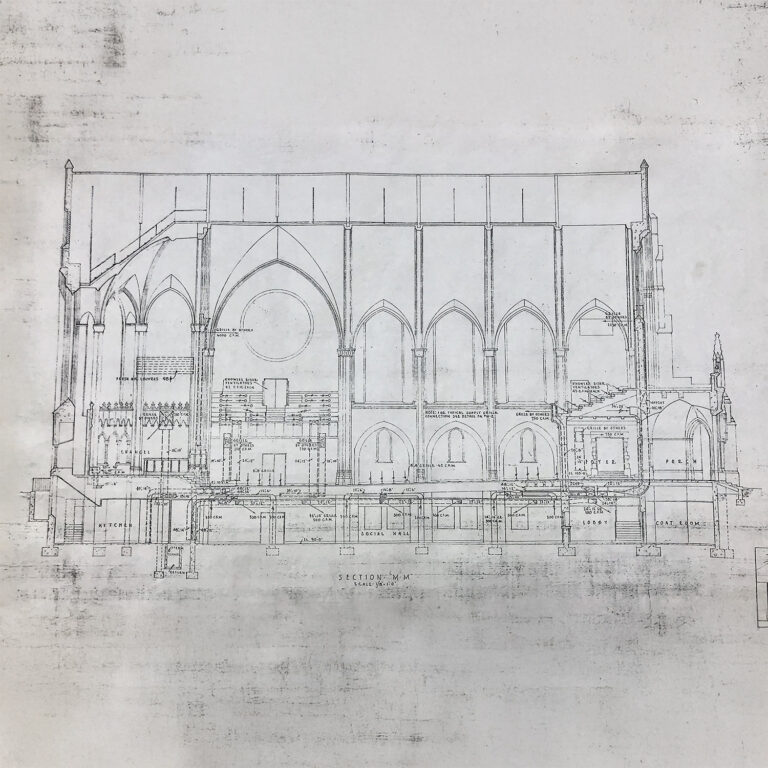
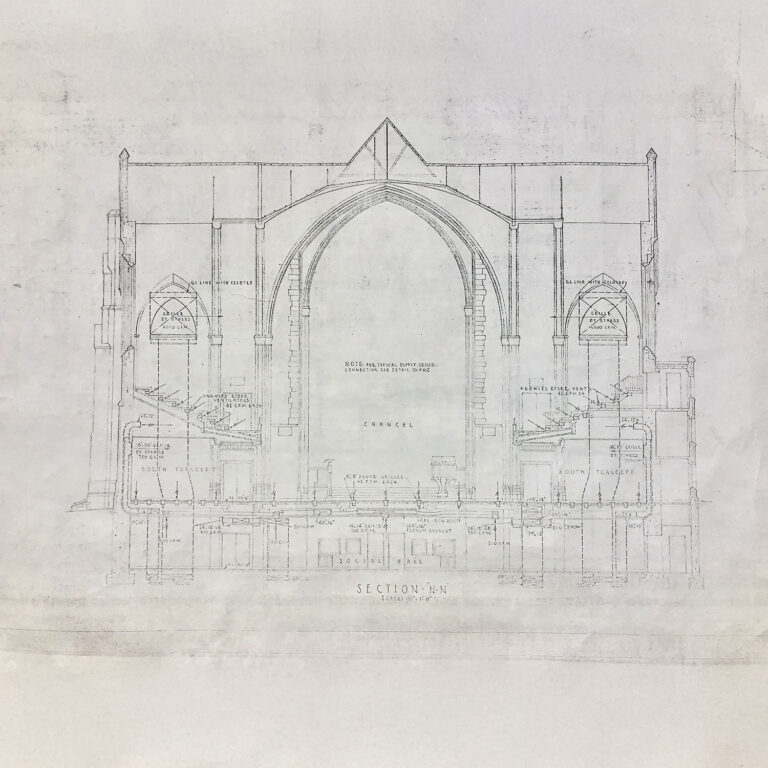
The current French Gothic sanctuary at 1757 N. Lake Avenue was designed by Marston, Van Pelt & Maybury, with celebrated medievalist architect Ralph Adams Cram serving as consultant. The cornerstone was laid on October 23, 1927, and the project ultimately cost $552,001.10. The mortgage was fully paid by 1949.
The sanctuary seats 1,100 on the main floor, with original galleries designed for 350 each. Architectural influences are drawn from the Cathedral of Metz; Église Saint-Ouen in Rouen; Gothic motifs from Bressuire, France; and rose window designs reminiscent of Beauvais and Amiens. Ornamentation throughout includes crown motifs, honoring Pasadena’s identity as the “Crown City.”
Stained Glass at Westminster
Designed in the thirteenth-century grisaille style, the Chancel Window portrays the Ascension of Christ, illuminated by the promise from John 14:3: “And if I go to prepare a place for you, I will come again to receive you unto myself.”
Three narrative panels depict formative moments in Jesus’ earthly ministry: the Baptism of Christ, The Lord’s Supper, and the Sermon on the Mount.
Surrounding the scenes, the side lancets display ancient Christian symbols—the Alpha and Omega—and, in the center, the historic “Hand of God,” a motif that has appeared in Christian art since the fifth century. Above, a choir of angels crowns the composition in a quatrefoil, drawing the eye heavenward.
The sanctuary houses three brilliantly colored rose windows, each expressing its own theological theme.
The North Rose – Sapphire
Rendered in blues and whites accented with ruby tones, the North Rose symbolizes heaven and divine faith. Its imagery narrates the Parable of the Good Samaritan, unfolding clockwise around the window.
The South Rose – Emerald
Washed in green hues, this window evokes themes of spring, eternal hope, and spiritual renewal. Its design centers on the Parable of the Prodigal Son, capturing the compassion and forgiveness of God.
The East Rose – Ruby
Radiating deep red glass, the East Rose embodies Christian love and compassion. It illustrates the Six Works of Mercy found in Matthew 25:35–36—feeding the hungry, quenching the thirsty, welcoming the stranger, clothing the naked, healing the sick, and visiting the imprisoned.
The Nave and Transept
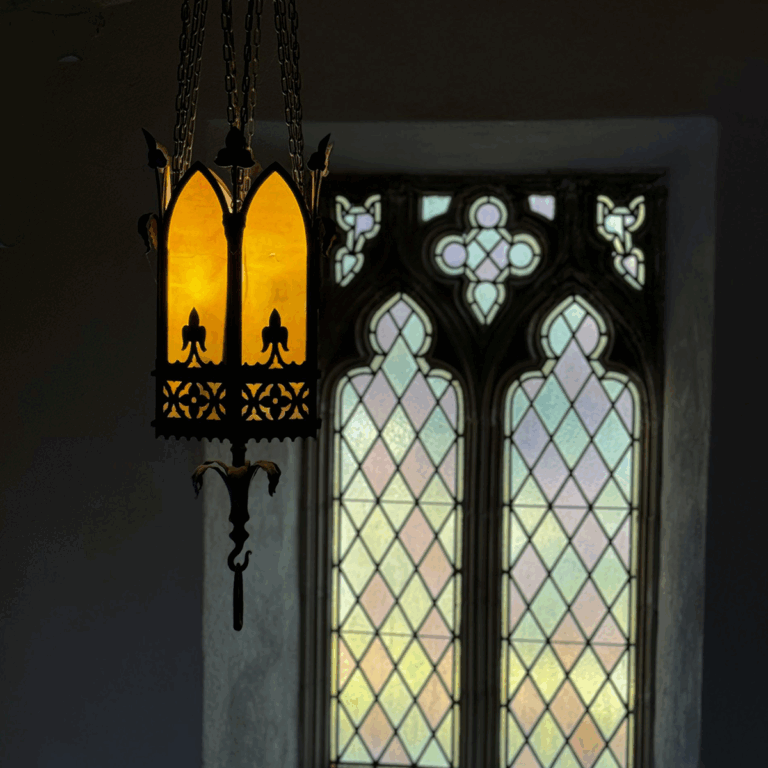
Throughout the nave and transepts, twenty paired windows in the grisaille tradition portray key figures from Scripture. Arranged in approximate chronological sequence—from Abraham and Sarah to Dorcas—they highlight the faithful service of both women and men across biblical history.
The Narthex Windows
The narthex windows honor David Joseph Macpherson and Emma Maxfield Macpherson. David Macpherson, an early trustee, played a vital role in relocating the church campus and is remembered for co-building the famed Mt. Lowe Railway with Thaddeus Lowe.
Pastoral Leadership through the Early Years
Westminster’s earliest pastoral leadership includes Rev. William E. Dodge (1906–1911), who guided the congregation during its mission-chapel era, followed by Rev. C.A. Spaulding (1912–1918), who concluded his service to become a chaplain during World War I.
The church’s senior pastors have shaped its theological identity and community life across generations. Among them are Rev. Arthur O. Pritchard (1919–1921); Dr. Angus H. Cameron (1921–1925); and Dr. Josiah Sibley (1925–1932), who oversaw the planning of the current sanctuary. Leadership continued under Dr. Merle K.W. Heicher (1934–1940); Dr. Max M. Morrison (1942–1966), remembered for guiding Westminster’s “Golden Era”; Dr. Harry W. Eberts, Jr.; Dr. John R. Chandler; and Dr. Kent D. Lawrence.
Throughout the early years, Westminster was also shepherded at key moments by respected interim leaders such as Dr. John Gilbert Blue, Dr. H.H. Shawhan, Dr. Joseph A. Stevenson, Dr. Henry Marcotte, Rev. John L. McCreight, and Dr. John L. Reid, Jr.